

How Often Should Blondes Tone Their Hair?
Fresh blonde can shift quickly. The cool, creamy or bright tone you loved leaving the salon can begin to look warmer after a few washes, a weekend at the beach, or simply time spent in the sun. So, how often should blondes tone their hair? For most people, a professional toner refresh every four to eight weeks is a sensible guide - but your ideal timing depends on your blonde, your hair’s condition and the way you care for it between appointments.
Toning is not about chasing an icy shade at all costs. It is about maintaining the blonde that suits you while treating your hair with the patience and care it deserves.
What toner actually does for blonde hair
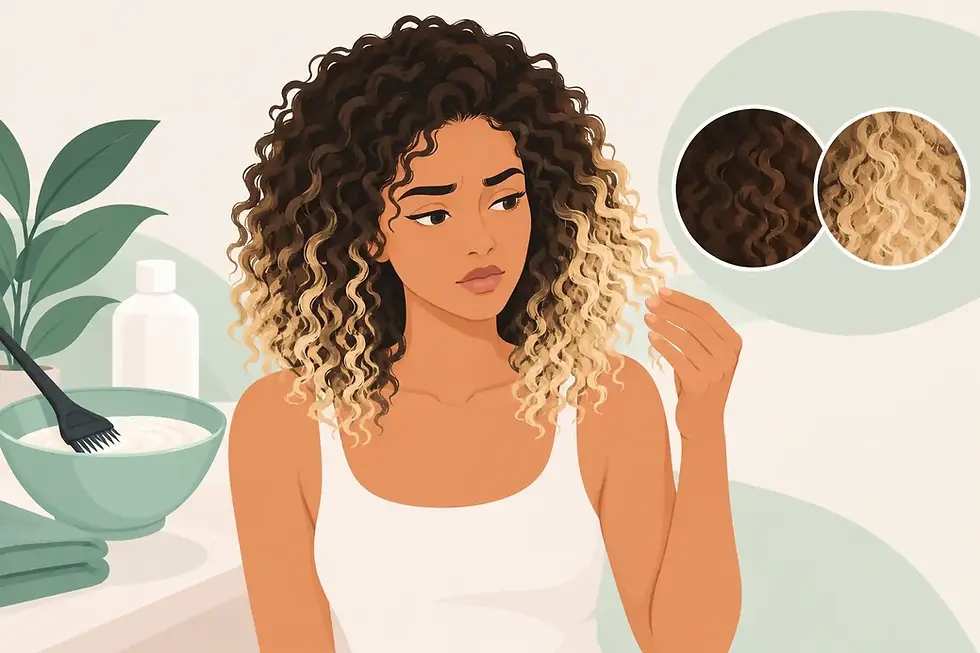
When hair is lightened, its underlying warm pigments become visible. These can appear yellow, golden or orange, depending on how light the hair has been lifted and your natural starting colour. A toner adds carefully chosen pigment to soften or balance that warmth.
Violet pigments help counter yellow. Blue-violet pigments can help with deeper gold or orange tones. Beige, pearl, honey and creamy toners can also shape a blonde without making it look grey or overly cool. The right result is personal: some people want a clean Scandinavian-inspired blonde, while others want warmth that feels natural and lived-in.
A toner is not bleach, and it does not make the hair lighter. It refines the result of lightening. Because toner gradually fades, particularly on porous or frequently washed hair, it is normal for blonde to need an occasional refresh.
How often should blondes tone their hair?
A professional toner every four to eight weeks works well for many blondes. If you have a very pale, cool blonde and prefer a crisp finish, you may notice warmth returning closer to the four-week mark. If your colour is more dimensional, creamy or golden, or you are happy with a softer grow-out, six to eight weeks may be plenty.
The most useful answer is not a fixed calendar rule. Look at what your hair is doing. When your blonde starts to look more yellow than you like, loses its intended balance, or no longer looks as polished as it did after your colour appointment, it may be time for a toner.
For some clients, a toner is a standalone maintenance appointment between larger colour services. For others, it is best applied as part of their next highlight, balayage or foil appointment. A skilled stylist can help decide which approach protects the integrity of your hair while keeping your colour feeling intentional.
Your blonde placement changes the timing
A full head of bright blonde usually shows tonal changes sooner than a soft balayage. There is more lightened hair, often close to the roots, so warmth can be more noticeable as the toner fades. Fine highlights blended through a darker base tend to grow out gently and may not need frequent toning.
Face-framing pieces are another consideration. They catch light, product build-up and environmental exposure, so they can sometimes look warmer before the rest of your hair. A quick toner refresh can bring those brighter sections back into harmony without committing to more lightening.
Hair condition matters more than a perfect shade
Lightened hair can be more porous, especially through the ends. Porous hair may grab toner strongly at first, then release it quickly. That can make at-home toning feel unpredictable: one wash leaves the ends slightly lilac, while the next sees the warmth return.
If your hair feels dry, fragile or overly processed, adding toner too frequently is not always the answer. Toners are generally gentle when professionally selected and applied, but every colour service should be considered in the context of your hair’s overall condition. Sometimes the best next step is moisture, a trim, a bond-supporting treatment, or a little more time between colour appointments.
Healthy-looking blonde is rarely the palest or coolest possible blonde. It is the blonde that still has softness, shine and movement.
Why blonde can turn brassy so quickly
Brassiness is not a sign that you have done anything wrong. It is simply what happens when warm underlying pigment becomes more visible as your toner fades. A few everyday factors can speed up that process.
Frequent shampooing is one. Hot water and strong cleansing products can fade colour faster, while mineral-rich water may leave deposits that dull the hair or pull the tone warmer. Sun exposure, saltwater and chlorinated pools can also affect blonde, particularly during an Australian summer.
Heat styling plays a part too. Straighteners, curling tools and very hot blow-dries can leave lightened hair drier and less reflective, making warmth appear more obvious. Product build-up can create a yellowed or lacklustre cast that is not always solved by adding more purple pigment.
This is why a thoughtful blonde routine is more effective than reaching for toner whenever the colour changes. Treating the cause of dullness can sometimes make a toner last longer and keep your hair feeling better in the process.
Using purple shampoo without overdoing it
Purple shampoo can be helpful between salon visits, but it is maintenance rather than a replacement for a tailored professional toner. Use it when you begin to see unwanted yellow tones, rather than automatically using it at every wash.
For many blondes, once a week is enough. Very pale or cool blondes may use it twice weekly, while dry, porous or beige blondes may need it less often. Follow with a nourishing conditioner or mask, as toning shampoos can feel drying on already-lightened lengths.
Pay attention to the result rather than the bottle’s promises. If your hair starts looking flat, smoky, violet or uneven, pause the purple shampoo and return to a gentle, colour-safe wash routine. Cool blonde should still look luminous. It should not look like it has lost its natural dimension.
Blue shampoo can be more appropriate where orange or deeper gold is the concern, but it is best to choose this with guidance from your stylist. Using the wrong pigment can leave the hair looking muddy instead of balanced.
A lower-impact approach to blonde maintenance
Looking after blonde does not need to mean endlessly adding products or booking colour services before your hair is ready. A considered approach can support both your hair and more conscious consumption.
Choose a blonde that works with your natural base, lifestyle and maintenance preferences. A beautifully blended, lived-in blonde may need fewer full lightening appointments than an all-over high-lift look, while still giving you brightness around the face and through the lengths. This is not about compromising on your preferred look. It is about creating a colour plan you can realistically care for.
Wash when your scalp and lifestyle need it, rather than out of habit, and use lukewarm water where possible. Protect your hair from heat, rinse after swimming, and use a hat when you will be in strong sun for long periods. These small choices can help your tone hold on longer and reduce the cycle of unnecessary colour correction.
At Mane Ethical Hairdressing, blonde maintenance is approached with the same care as the initial colour service: thoughtful product choices, professional technique and respect for the condition of your hair. Ethical haircare is not about perfection. It is about making informed choices that feel good for you and lighter on the world around you.
When a toner refresh is not enough
A toner can refine warmth, but it cannot correct every blonde concern. If your regrowth is significant, your highlights have lost their contrast, or the lightened pieces need to be lifted again, you may need a colour appointment rather than a toner-only service.
Likewise, if your hair has developed a strong orange band, uneven patches, green tones after swimming, or severe dryness and breakage, avoid trying to fix it with repeated at-home treatments. These situations need a professional assessment. Layering more pigment over an uneven base can make future correction harder and may lead to a result you did not intend.
Bring honesty to the conversation about your home routine, previous colour history and how often you use heat. The best colour plan is built around real life, not an ideal routine no one can keep up with.
Your blonde will shift between appointments - that is part of wearing a colour with movement and life in it. Let the mirror, the feel of your hair and your own preference guide the timing, then choose care that keeps both your colour and your values in view.

Comments