

7 Best Salon Treatments for Bleached Hair
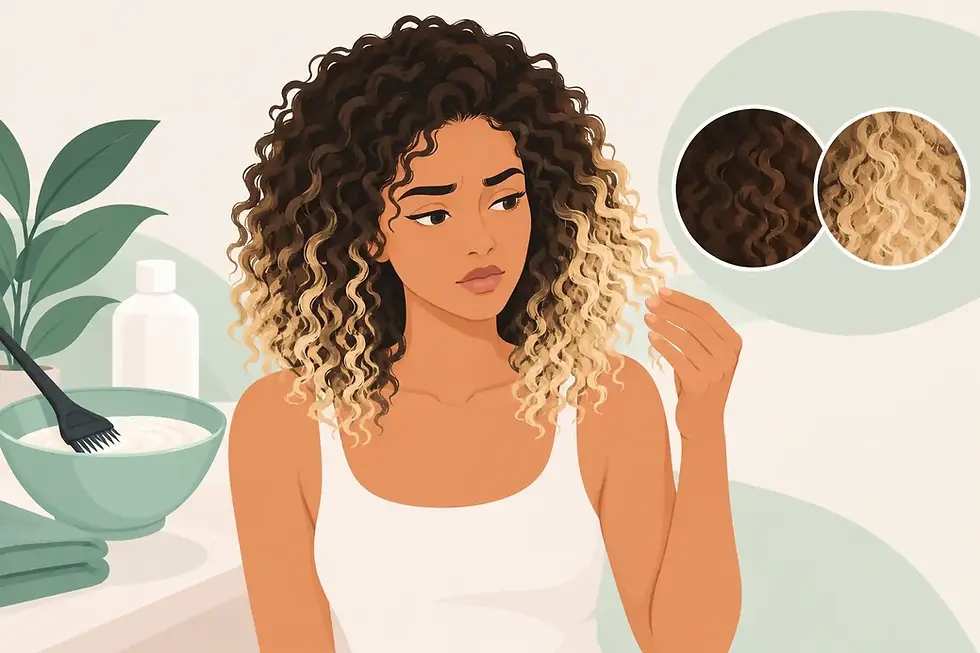
Bleached hair can look bright, soft and beautifully personal, but it also tells the truth about every lightening appointment. When hair has been lifted, its internal structure and protective outer layer have both worked hard. The best salon treatments for bleached hair are not about piling on every treatment available. They are about understanding what your hair needs now, then choosing care that supports strength, moisture, shine and the blonde tone you love.
A thoughtful salon treatment plan should feel considered rather than excessive. It starts with your colour history, how your hair behaves at home, your styling routine and the condition of your ends. For some people, a bond-building treatment is the priority. For others, a gloss, a restorative moisture service or a careful trim will make the most visible difference.
Why bleached hair needs professional care
Lightener works by opening the hair’s cuticle and lifting natural pigment. That process is what makes a clean blonde possible, yet it can also leave the hair more porous. Porous hair may lose moisture quickly, catch on a brush, feel rough through the mid-lengths or develop uneven tone.
Home care matters, but it cannot replace an experienced stylist assessing elasticity, density and breakage patterns in person. A salon professional can tell the difference between hair that needs hydration and hair that needs structural support. Those needs are often confused, and using the wrong treatment repeatedly can leave hair feeling either heavy or still fragile.
This is also where a values-led salon experience matters. Haircare should not ask you to choose between beautiful results and conscious choices. Vegan-friendly, cruelty-free options and mindful salon practices can sit alongside serious blonde expertise. The goal is less waste, more intention and hair that feels genuinely cared for.
The best salon treatments for bleached hair
1. Bond-building treatments for weakened hair
Bond-building treatments are often the first choice after significant lightening. They are designed to support the hair’s internal connections, which can be compromised during chemical services. While no treatment can turn damaged hair back into untouched virgin hair, the right bond-focused service can improve how the hair handles washing, brushing and heat styling.
This treatment is especially useful if your hair feels stretchy when wet, snaps easily, or has become difficult to detangle after a blonding session. It can also be a smart addition during a colour appointment, rather than something saved only for when the hair is already struggling.
The trade-off is that bond care is not a complete answer on its own. Hair still needs water, conditioning ingredients and a realistic approach to heat. If the ends are heavily split or breaking, a trim may be more restorative than another treatment service.
2. Deep hydration for dry, coarse lengths
Bleached hair often needs moisture, particularly when it feels stiff, dull or rough despite being freshly washed. A professional hydrating treatment can replenish softness and improve slip, making everyday detangling kinder on vulnerable lengths.
This is a good option for hair that has lost its bounce but is not overly elastic. It can be particularly welcome in warmer months, after beach time, or when frequent blow-drying and hot tools have left blonde hair feeling thirsty.
A quality moisture treatment should leave the hair supple, not coated. Your stylist may adjust the formula and processing time to suit fine, medium or thick hair, because a rich treatment that feels beautiful on dense hair can flatten finer blonde strands. That tailoring is one of the real benefits of receiving treatment in the salon.
3. Protein or strength treatments for fragile strands
Protein-based or strengthening treatments can help when bleached hair has become too soft, weak or prone to breakage. Protein gives temporarily compromised areas of the hair some reinforcement, helping it feel more resilient and less prone to that gummy, over-processed texture.
These treatments require judgement. Too much protein can make some hair feel rigid and dry, particularly if it already lacks moisture. Rather than following a fixed calendar, ask for an assessment at your colour appointment. Your stylist can recommend whether a strengthening treatment is appropriate now, or whether hydration and a gentle trim would serve your hair better.
For many blondes, alternating professional strength and moisture treatments across several appointments provides a more balanced result than relying heavily on either one.
4. A gloss or toner to refresh tired blonde
Not every concern with bleached hair is damage. Sometimes the hair is healthy enough but the colour has lost its freshness. Brassiness, yellow warmth, dullness or uneven fading can make blonde feel less polished, even when the lightening itself is still in good condition.
A salon gloss or toner refines the tone of the hair and can add a reflective finish. It is a gentler way to refresh your blonde between major lightening services, helping you get more wear from your colour while avoiding unnecessary processing.
A gloss is not a repair treatment, although it can make hair look smoother and shinier. If your ends are dry or breaking, it works best alongside a conditioning or bond-support service. Your stylist can also choose a tone that suits your skin tone, lifestyle and how much maintenance you are comfortable with.
5. Scalp care when sensitivity is part of the picture
Lightening can be uncomfortable for some scalps, especially if appointments are close together or the scalp is naturally dry and reactive. A professional scalp treatment may help soothe discomfort, lift product build-up and create a healthier foundation for new growth.
This is not a substitute for medical advice if you have persistent irritation, sores or sudden hair loss. But for mild dryness, flaking or a tight feeling after colour, it is worth raising with your stylist. A careful consultation can also identify habits that may be contributing, such as harsh cleansing, excessive dry shampoo or very hot showers.
Healthy blonde begins at the scalp as much as it does at the ends. Treating the scalp with care makes the whole routine feel more sustainable, because it encourages less reactive product use and more considered maintenance.
6. A precision trim that protects your length
A trim is sometimes overlooked because it is not sold as a treatment, yet it can be one of the most effective services for bleached hair. Split ends cannot be permanently fused back together. Left alone, they can continue travelling up the hair shaft, creating more breakage and a thinner-looking perimeter.
A precision trim removes the most compromised ends while protecting the length that is still healthy. It can make blonde hair look fuller immediately and make styling easier, particularly if the bottom few centimetres are dry or wispy.
If growing your hair is the goal, regular small trims are not a setback. They can prevent the cycle of holding onto damaged length, then needing a much larger cut later. The right amount depends on your hair, not a one-size-fits-all schedule.
7. A personalised blonding plan for the long term
The most valuable treatment may be a change to the colour plan itself. If your hair is repeatedly stressed, your stylist may suggest spacing out lightening appointments, choosing softer regrowth blends, reducing overlap or working towards a lower-maintenance blonde. These changes can protect the integrity of the hair without asking you to give up being blonde.
Fine foils, lived-in colour placement and strategic face-framing can all influence how often you need a full lightening service. There is no single best approach. A bright, high-impact blonde can be achievable for some clients with the right care, while others will get healthier results from a softer, more gradual colour journey.
At Mane Ethical Hairdressing, this kind of planning is part of the service. Beautiful colour is not separate from the condition of your hair or the choices behind it. It is created through honest advice, skilled application and care that respects both you and the world around you.
How often should bleached hair be treated?
Frequency depends on the treatment, your level of lightening and the condition of your hair. A gloss may be refreshed between colour appointments, while a bond or hydration service can be added when your stylist sees a genuine need. Hair that is heavily lightened, heat-styled often or exposed to saltwater may benefit from more regular professional support than hair with a softer, lower-maintenance blonde.
Try not to treat every wash day as an emergency. Overloading hair with rich masks, protein or toning products can create new problems, from dullness and stiffness to unwanted violet or grey tones. Consistency beats intensity. Gentle cleansing, careful heat protection, reduced friction and the right salon treatment at the right time will take you further than a crowded bathroom shelf.
The healthiest blonde is rarely the result of one miracle service. It comes from small, intentional decisions: lightening with care, treating what is actually needed, and letting your hair’s condition guide the next appointment.

Comments