
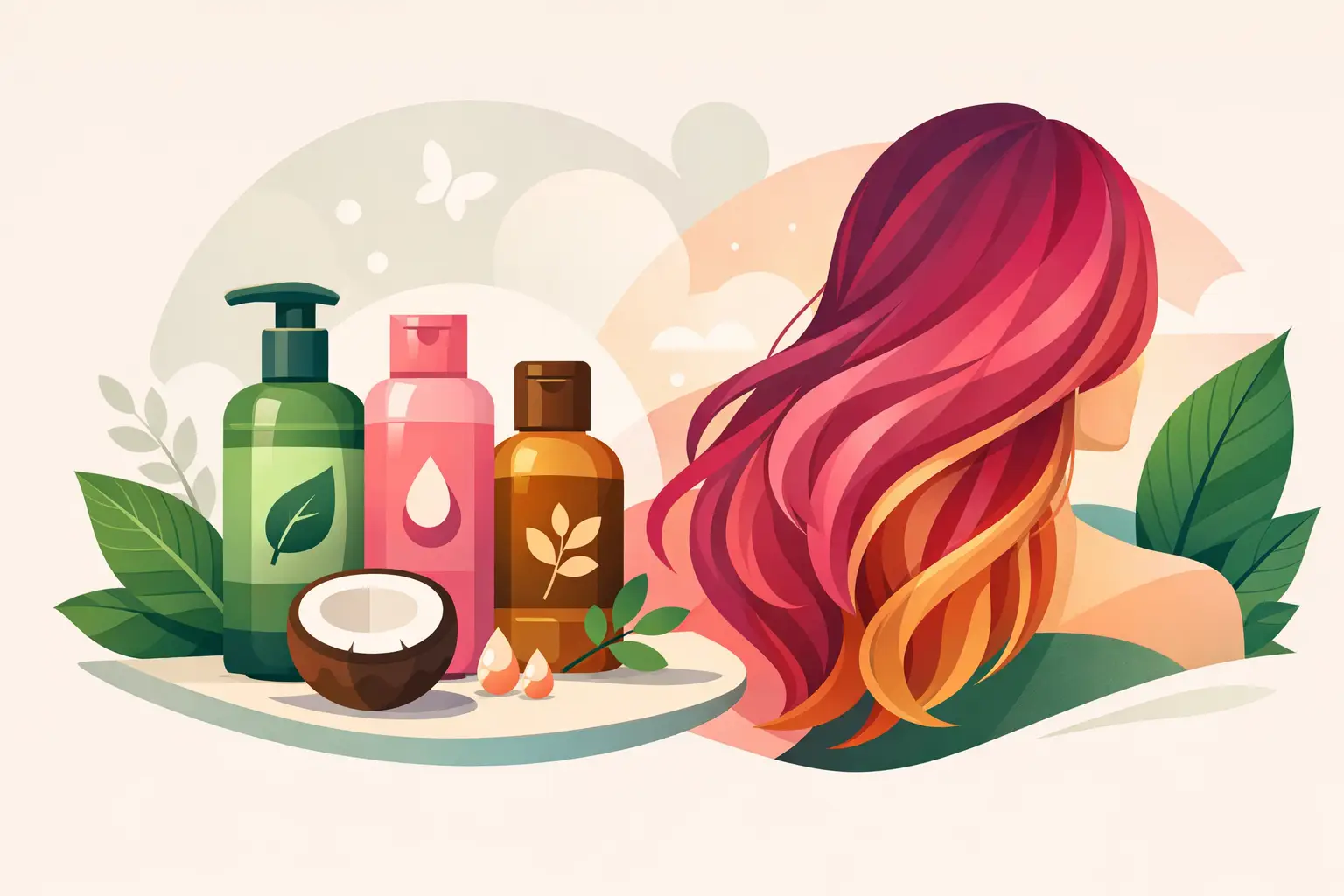
Best Vegan Shampoos for Coloured Hair That Work
Fresh colour should feel like a confidence boost, not something you have to battle to keep. The best vegan shampoos for coloured hair do more than avoid animal-derived ingredients and animal testing. They cleanse gently enough to help your colour stay rich, bright and reflective between salon visits.
For blondes, brunettes, redheads and every shade in between, shampoo choice matters. Water, heat styling, UV exposure, mineral build-up and overly strong cleansers can all shift the tone and leave hair feeling dry. A considered vegan formula can support your colour care routine while staying aligned with the values behind it.
What coloured hair actually needs from shampoo
Colour-treated hair has different needs to untouched hair. During colouring, the hair cuticle is lifted so pigment can enter the strand. Even with expert application and careful formulation, this can leave hair more porous and more likely to lose moisture. That is why freshly coloured hair may feel beautiful and glossy at first, then become dull, rough or brassy without the right home care.
A colour-conscious shampoo should cleanse the scalp and remove everyday build-up without stripping the hair of the natural oils that help it feel soft. It should also support the cuticle, because a smoother cuticle reflects more light and helps colour look more even.
There is no single best formula for everyone. Fine highlighted hair often needs lightweight hydration, while thick, curly or heavily lightened hair may need a more nourishing wash. If your scalp gets oily quickly, choosing a gentle shampoo does not mean accepting limp roots. It means finding one that cleans effectively without leaving the lengths squeaky, tangled or thirsty.
What makes a shampoo vegan and ethical?
A vegan shampoo is made without animal-derived ingredients. Common ingredients that may appear in conventional haircare include keratin, silk proteins, beeswax, honey, lanolin and certain forms of collagen. Vegan alternatives can use plant proteins, amino acids, botanical oils and algae-based ingredients to offer conditioning benefits.
Vegan is not automatically the same as cruelty-free, nor does it always mean low-waste or environmentally responsible. For people making conscious choices, it is worth looking at the whole picture: whether a brand avoids animal testing, how clearly it communicates its ingredient choices, whether the packaging is considered, and whether the product performs as promised.
Ethical haircare should never ask you to settle for poor results. Professional colour work is an investment of time, skill and self-expression. The products you use at home should help protect that investment while respecting the world beyond your bathroom shelf.
How to choose the best vegan shampoo for coloured hair
Start with your colour, your texture and the condition of your hair rather than choosing based on a label alone. A shampoo marketed for coloured hair is a useful starting point, but the ingredient approach and how your hair responds matter more than a broad claim on the bottle.
Look for gentle cleansing
If your hair feels dry soon after washing or your colour seems to fade faster than expected, a strong cleanser may be part of the problem. Many coloured-hair formulas use gentler cleansing systems designed to remove oil and residue while being kinder to the lengths.
The term sulphate-free can be helpful, especially for dry, porous or lightened hair, but it is not a guarantee of suitability. Some sulphate-free shampoos can still feel too heavy, while some formulas containing sulphates may work well for an occasional deeper cleanse. Think of it as a guide, not a rule.
A good everyday shampoo usually leaves your scalp fresh and your hair clean without that stripped feeling. If your hair squeaks when rinsed, it may be time to reassess how often you use that formula.
Choose hydration that suits your texture
Coloured hair needs moisture, but the right level looks different for each person. Lightweight humectants and plant-derived conditioning agents can be helpful for fine hair that is prone to flatness. Richer oils, butters and proteins may suit coarse, curly or highly processed hair that needs more support.
For blonde hair in particular, hydration is often what keeps the colour looking expensive rather than stressed. Lightened ends can become porous, making them more likely to grab unwanted tones and lose shine. A moisturising vegan shampoo, paired with an appropriate conditioner or treatment, can make a real difference to softness and manageability.
Protein can also be useful, particularly when hair feels weak or overly stretchy after lightening. But more is not always better. If your hair becomes stiff, brittle or tangled after regular protein use, alternate with a moisture-focused formula instead.
Match toning shampoo to a real need
Purple shampoo can be brilliant for keeping blonde, grey and silver tones cooler. Blue shampoo can help counter unwanted orange warmth in darker blondes and brunettes. Neither should necessarily replace your regular shampoo at every wash.
Toning pigments can sometimes leave already dry hair feeling less soft, particularly if the formula is used too frequently or left on for too long. Use it when you can see warmth developing, then return to your gentle colour-care shampoo. Your ideal frequency depends on your colour, your water, how often you wash and how much time you spend in the sun or surf.
If your blonde starts looking violet, smoky or uneven, pause the toning product and speak with your stylist. At-home care should maintain a beautiful salon result, not compete with it.
Consider build-up, water and wash frequency
Not every dull colour problem is colour fade. Mineral-rich water, dry shampoo, styling products and silicone-heavy formulas can create a film that makes hair look flat or brassy. An occasional clarifying wash may help, but frequent clarifying can remove moisture and leave colour looking less luminous.
If you swim regularly, wet your hair with fresh water before getting in the pool and rinse it as soon as you can afterwards. Chlorine, salt and sun all ask more of coloured hair. A hat on long beach days is not just practical - it is one of the simplest ways to protect your colour.
Most people do not need to shampoo every day. Washing less often can help preserve colour and moisture, although scalp comfort comes first. If you have an oily scalp, fine hair, exercise frequently or live in humid conditions, you may need to wash more regularly. Focus on choosing the right gentle formula rather than stretching wash days until your scalp feels unhappy.
A simple routine for longer-lasting colour
The best vegan shampoo works best as part of a consistent routine. Wash with lukewarm water rather than very hot water, concentrating shampoo at the scalp and allowing the lather to travel through the lengths as you rinse. Scrubbing the ends rarely makes them cleaner, but it can make them drier.
Follow with a vegan conditioner chosen for your hair's needs. Once or twice a week, replace conditioner with a treatment if your hair feels dry, tangled or compromised from lightening. Use a heat protectant before blow-drying, straightening or curling, because repeated high heat can fade colour and affect the feel of the hair no matter how thoughtful your shampoo is.
And be realistic about what shampoo can do. A great product can help maintain tone, shine and condition, but it cannot repair split ends or recreate the precision of fresh salon colour. Regular trims, professional toning when needed and an honest conversation with your stylist are still part of caring for coloured hair well.
Reading the bottle with confidence
You do not need to memorise every ingredient to make a better choice. Look for transparent vegan and cruelty-free statements, a formula intended for colour-treated or chemically processed hair, and directions that match how you plan to use it. Be cautious of miracle promises, especially products claiming to suit every scalp, texture and colour concern at once.
It is also worth paying attention to fragrance if you have a sensitive scalp. Natural fragrance is not automatically irritation-free, and an essential-oil-heavy formula may not suit everyone. A patch test and a slower introduction can save you from committing to a product your scalp does not enjoy.
At Mane Ethical Hairdressing, we believe conscious care should still feel personal. The right shampoo is the one that honours your colour, feels good to use and fits the standards you want your everyday choices to reflect.
Your hair changes with the seasons, your colour history and your lifestyle. Let your shampoo routine change with it, and choose products that care for both your colour and the values behind it.


Comments